

How Much Does A Tire Weigh?
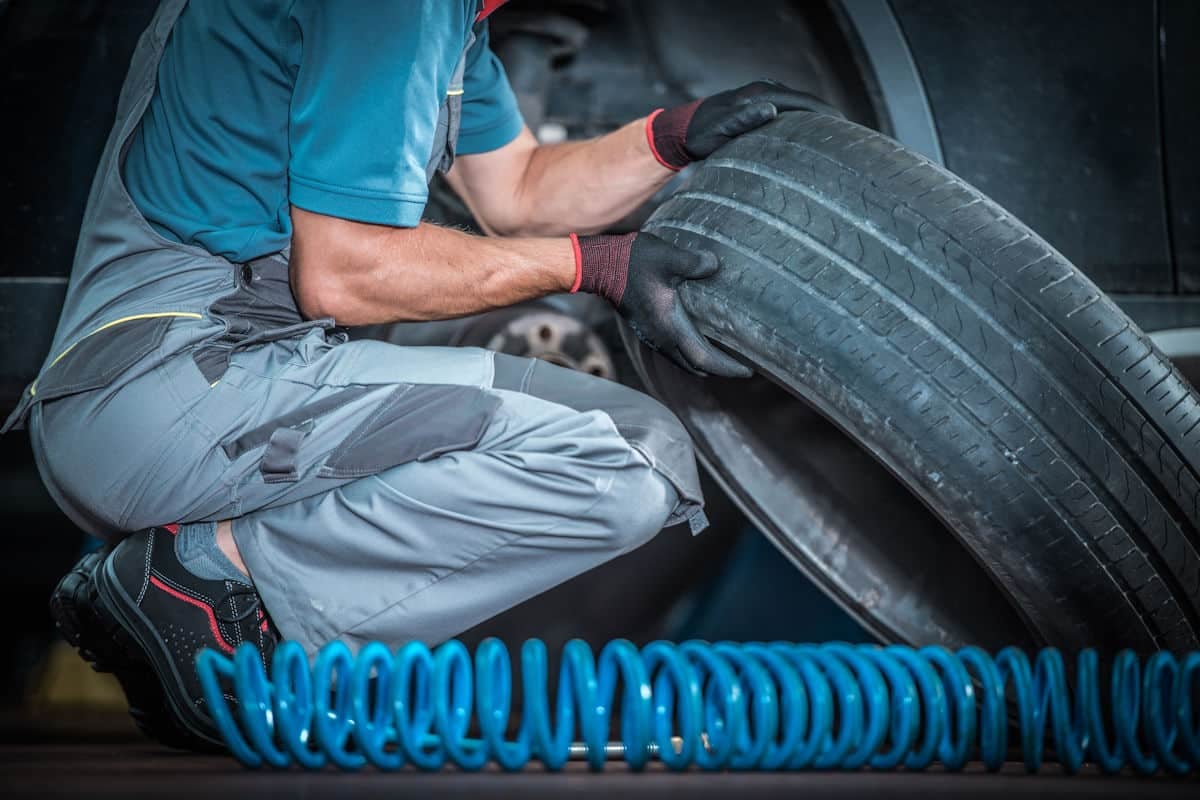
Tires differ in type, size, and other aspects, including the Belt System, tread compound, the intended vehicle, and more.
So, there may be a weight difference between two tires from the same manufacturer meant for the same vehicle. Typically, sports cars or SUVs have tires above 20 inches, while small city cars have 13-inch tires.
Typical tires could weigh anywhere from 12 to 120 pounds on average. In contrast, the tires on trucks and tractors are much heavier– for example, monster truck tires weigh over 800 pounds.
The information below examines the variables that impact tire weight and the typical weight of the most popular tires on the market.
Factors Impacting Tire Weight
Here are some of the things that affect how much a particular tire weighs:
Size
The size of the tire is the primary weight-related component. The tire size has different aspects, including the diameter and width. The diameter has an impact on volume, which influences weight.
It also demonstrates the amount of material used, contributing to its weight. In addition, wider tires require more material and carry more air pressure, making them heavier.
Type
The type of tire affects its overall weight. So, the little passenger tire will weigh less than a larger tire. Comparing tires to one another makes it simple to determine how they compare in terms of weight. The rule of thumb is that smaller tires should weigh less.
Application
The typical passenger tire has a casing, tread, and belt system. The tire industry uses these parts in various combinations. So, some tires weigh more because of additional features for other uses.
For instance, the treads on mud or all-terrain tires have large, chunky blocks, unlike those on standard passenger tires. It makes the all-terrain tires heavier despite these tires being of the same size.
Tire Weight by Type
Below are the typical tire weights for different types of tires.
Passenger Car Tires
The passenger tire category is not a one-size-fits-all proposition. The market is incredibly diverse, and huge plus ranges from compact city automobiles to ultra-luxurious SUVs. So, it is impossible to classify tire weight by car type due to the abundance of possibilities.
A far better approach is to determine tire weight using the tire sidewall markings that reflect the tire brand, model, size, and weight.
Typically, ordinary passenger car tires weigh between 15 and 25 pounds, while SUVs can weigh between 45 to 100 pounds. Utility Terrain and All-Terrain Vehicles’ tires weigh between 20 and 40 pounds.
Truck Tires
Like SUVs or passenger car tires, truck tires are available in various sizes. Light-duty truck tires must sustain regular hauling and towing to function well. Comparable SUV models utilize the same tires. The tires are between 17 and 24 inches in size and weigh between 45 and 100 pounds.
Commercial Truck Tires
Commercial trucks must have large, heavy tires since they haul heavy loads. The tires should be capable of towing and hauling. Generally, a commercial truck tire weighs between 100 and 250 pounds. Yet, like other vehicles, there are lighter and heavier truck tires, depending on the circumstance.
Trailer Tires
Your trailer tire ought to be capable of supporting the load you haul. Depending on the size of the trailer, the tires could weigh around 10 pounds each. Moreover, trailers are heavy vehicles and can hold many tires. For example, a two-axle trailer with dual-tire hubs has eight tires.
Tractor/ Farm Machinery Tires
Depending on the sort of equipment you have, there are many options for farm and tractor tires. These tires should be sturdy enough to handle all types of terrain surfaces. Otherwise, you will be unable to reach harvests or finish the challenging duties.

For this reason, farm and tractor tires have differing weight ratings; some might weigh hundreds of pounds, while others are only 30 pounds. Various sized tractor tires are often used for tire-flipping workouts.
Motorcycle Tires
Motorcycles use lighter tires because it is essential to maintain their weight to a minimum. On average, a motorcycle tire weighs between 8 and 30 pounds. Typically, the front tires are heavier than the rear tires.
ATV Tires
All terrain vehicles like 4-wheelers and side-by-sides typically use smaller tires with a larger tread pattern for extra grip on mud, sand, and grass. ATV tire weight varies by size, but the most common models are in the 15lb – 25-lb range.
Golf Cart/ Lawn Mower Tires
The golf cart tire makes it easier to move across even flat terrain. So, the tires do not need to be heavy. Typically tires for golf cars weigh around ten pounds, while lawn mower tires are five pounds.
Monster Truck Tires
The monster trucks have the heaviest tires weighing between 798 and 900 pounds. Typically, they are 66 inches high and 43 inches wide.
Frequently Asked Questions
Here are a few questions that often come up about tires, along with their answers.
How Much Does the Whole Wheel with the Rim Weigh?
The typical passenger car tire weighs about 15 to 25 pounds, while the rim weighs about 20 to 30 pounds. So, depending on several variables, including tire size and rim material, a whole wheel weighs around 35 to 55 pounds.
How much does a tire weigh with air?
The difference is minimal because the weight of a tire with air inside vs an empty one is only a few grams different. You must first determine the tire’s weight without air before establishing its weight with air.
How do you know the weight of a tire?
The best and most precise approach to determine the tire’s weight is to weigh it on a scale or establish its weight from the manufacturer. The information is usually available on the tire manufacturer’s website if you can locate the product number on the tire.
Tires manufactured in the US have the DOT serial number– the letters DOT followed by 13 letters or/and numbers. You can find this on the inside sidewall near the rim. The information covers: where the tire was manufactured, tire size, the manufacturer code, plus the week and year of manufacture.
Conclusion
In conclusion, each tire weighs differently based on its size, kind of vehicle, and internal components.
So, even if your pickup truck or SUV tires share the same size as those on a passenger car, they will be heavier. Generally, tires weigh from 20 pounds to 300 pounds. The weight of specialty tires, such as those seen on monster trucks, can reach 900 pounds.